Photos — 19 Images
Saturday, February 7, 2026 · 2 guests
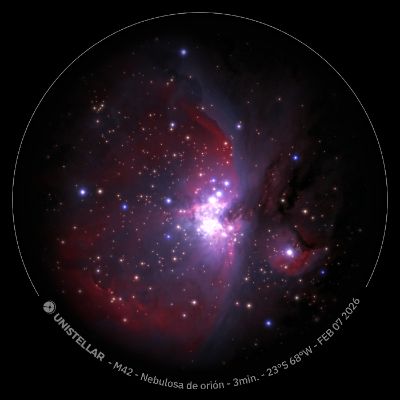
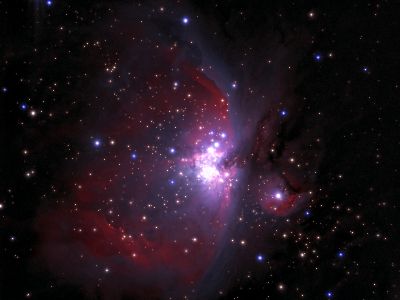
Visible to the naked eye below Orion's belt, the Orion Nebula revealed its true nature through the telescope — a vast cloud of glowing gas and dust where hundreds of new stars are forming. The four Trapezium stars at its core were clearly resolved.
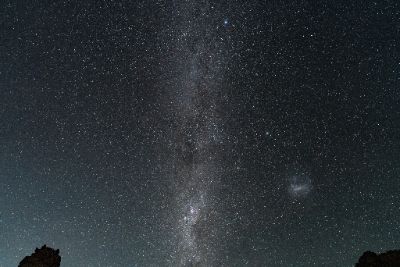
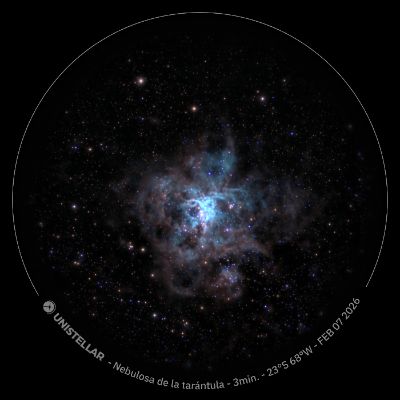
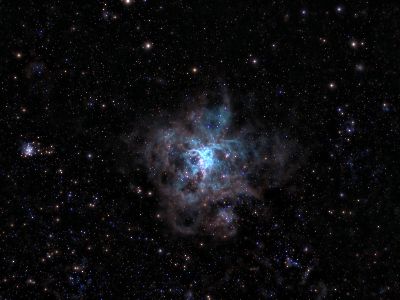
The brightest nebula in the Large Magellanic Cloud was easily spotted, appearing as a luminous knot within the galaxy's irregular shape.
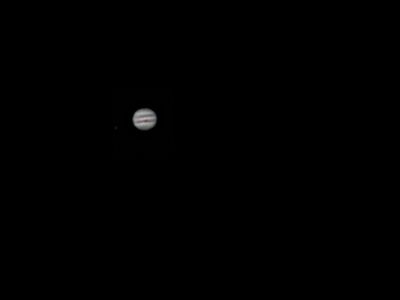
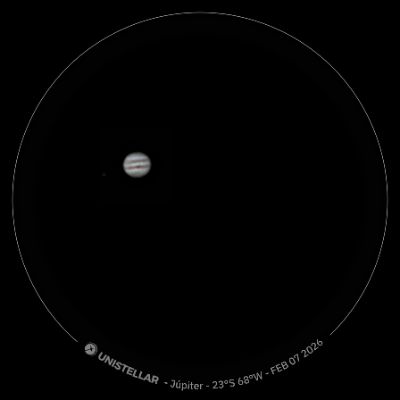
Jupiter showed its main cloud bands through the telescope, with its four largest moons — discovered by Galileo in 1610 — visible as bright dots arranged around the planet.
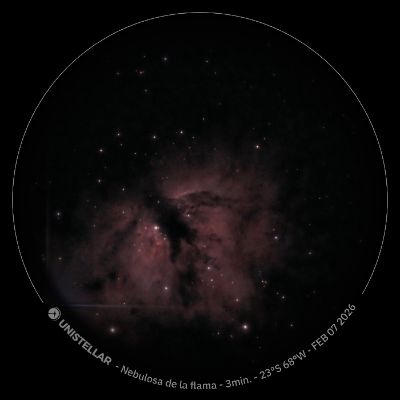
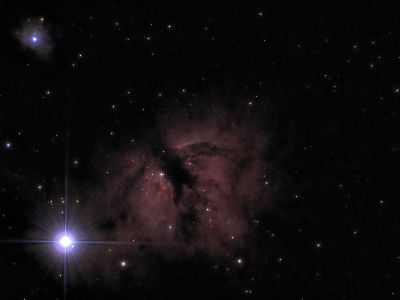
The Flame Nebula was observed near Orion's belt star Alnitak — a challenging target where dark lanes of interstellar dust create the illusion of flames licking through glowing gas.
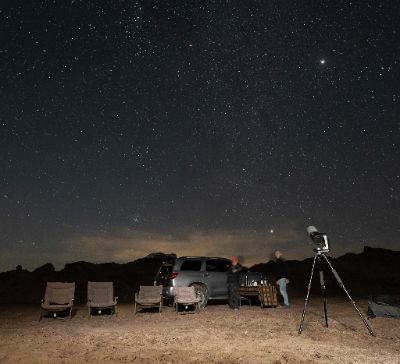
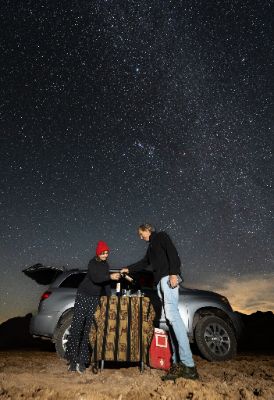
Join us for an unforgettable night of stargazing under Bortle Class 1 skies in the Atacama Desert.
Book Your Tour ➝