Photos — 11 Images
Sunday, February 8, 2026 · 2 guests
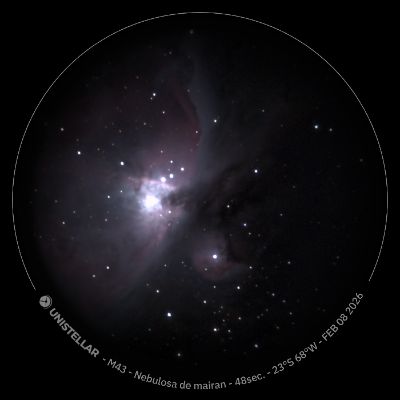
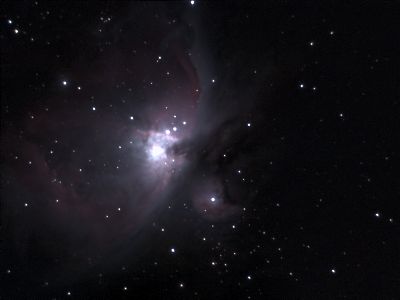
Visible to the naked eye below Orion's belt, the Orion Nebula revealed its true nature through the telescope — a vast cloud of glowing gas and dust where hundreds of new stars are forming. The four Trapezium stars at its core were clearly resolved.
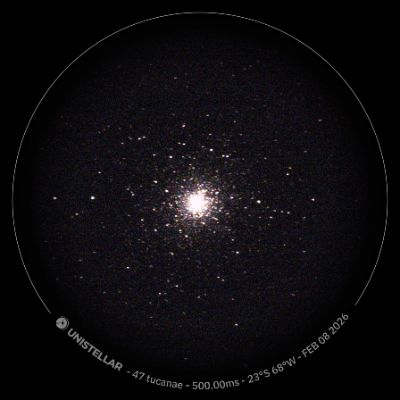
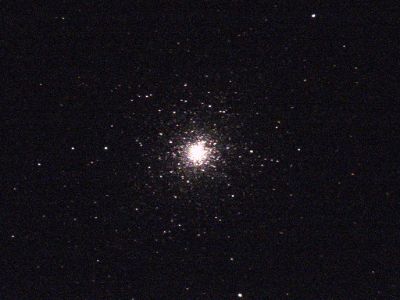
A bright, concentrated globular cluster near the Small Magellanic Cloud, showing a dense core surrounded by a halo of resolved stars.
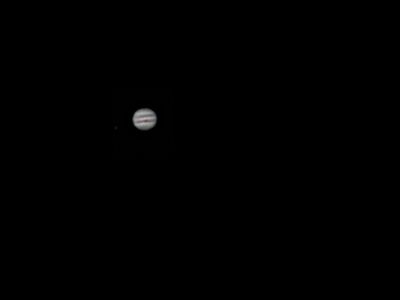
Jupiter showed its main cloud bands through the telescope, with its four largest moons — discovered by Galileo in 1610 — visible as bright dots arranged around the planet.
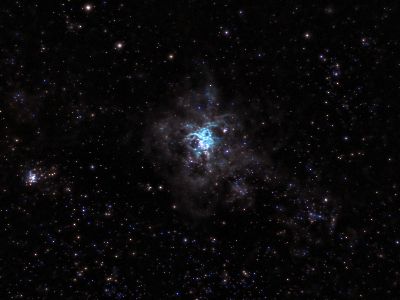
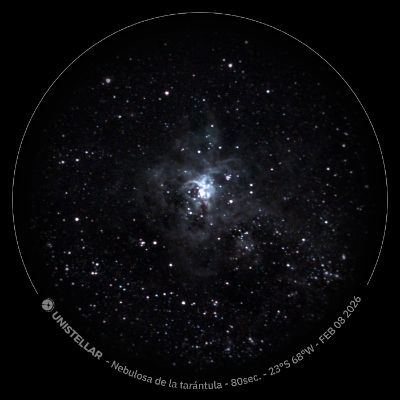
The brightest nebula in the Large Magellanic Cloud was easily spotted, appearing as a luminous knot within the galaxy's irregular shape.
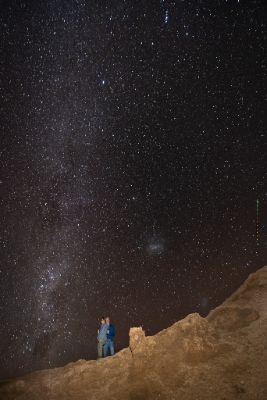
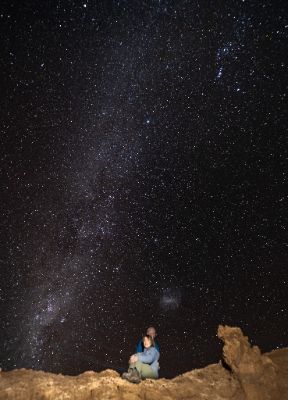
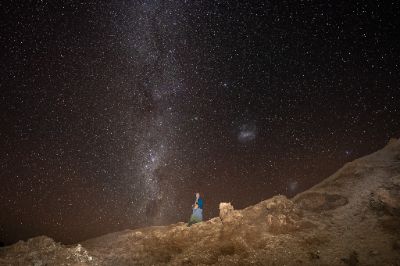
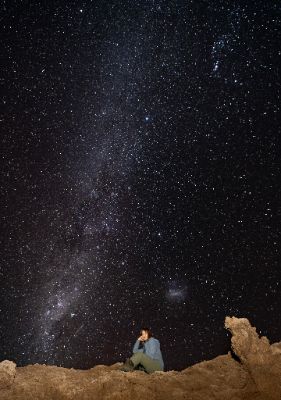
Join us for an unforgettable night of stargazing under Bortle Class 1 skies in the Atacama Desert.
Book Your Tour ➝